The One Plant Rule for a Warm Minimalist Living Room
A single well placed plant does more for a room than five scattered ones. Here is how to choose it, pot it, and give it a spot it deserves.
Written by Vestados Editorial · 25 August 2026
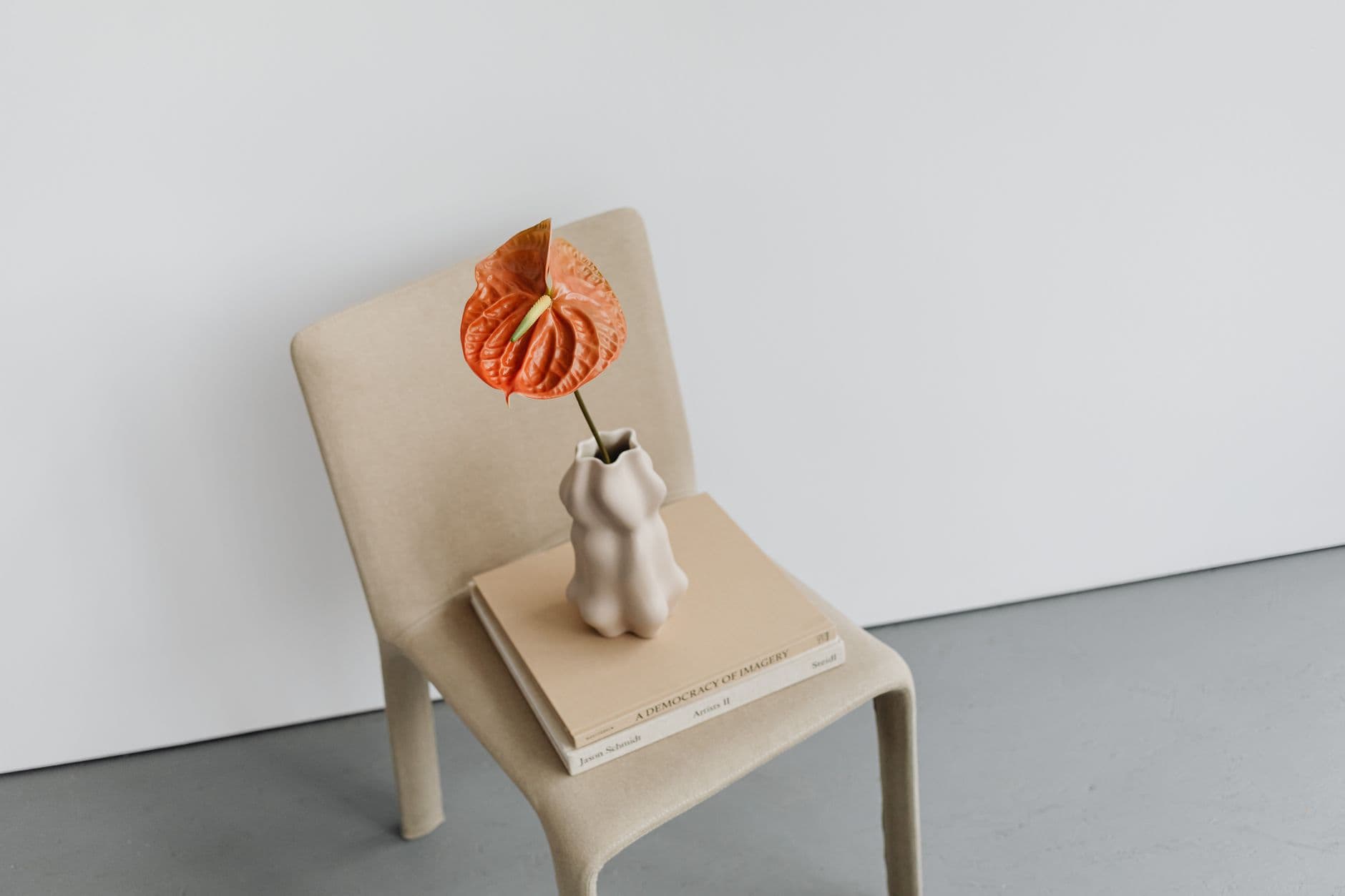
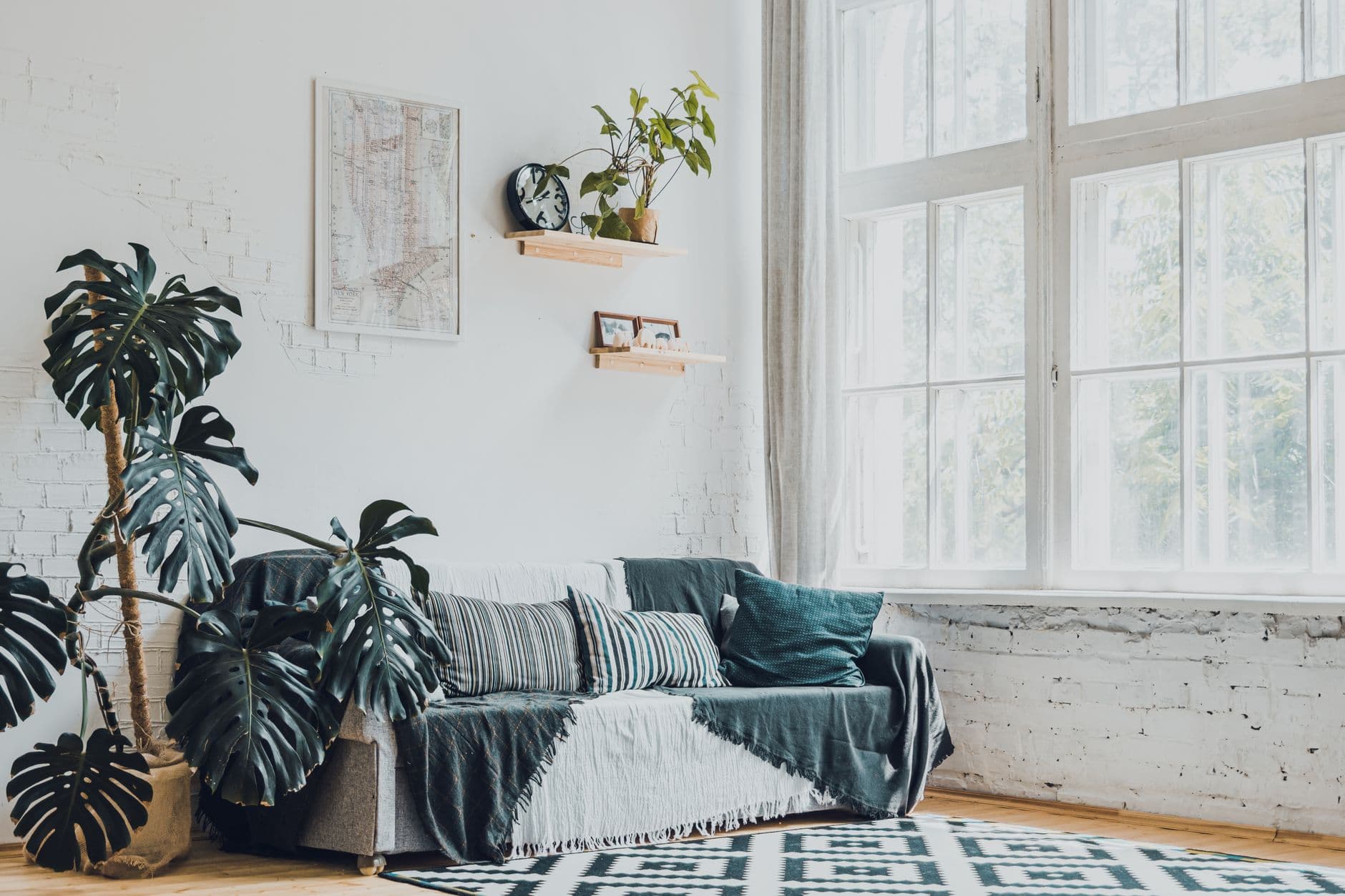
Walk into most minimalist rooms with plants and you will see one of two things: a single strong green shape that finishes the room, or a scattered mess of small pots that reads as clutter no matter how neutral the walls are. The difference has nothing to do with how many plants you can afford. It comes down to choosing one plant that earns its place, giving it the right light, and resisting the urge to fill every empty corner. This is the plant version of the vignette rule we already use for styling a coffee table: fewer objects, chosen with more care.
Why one plant works better than five
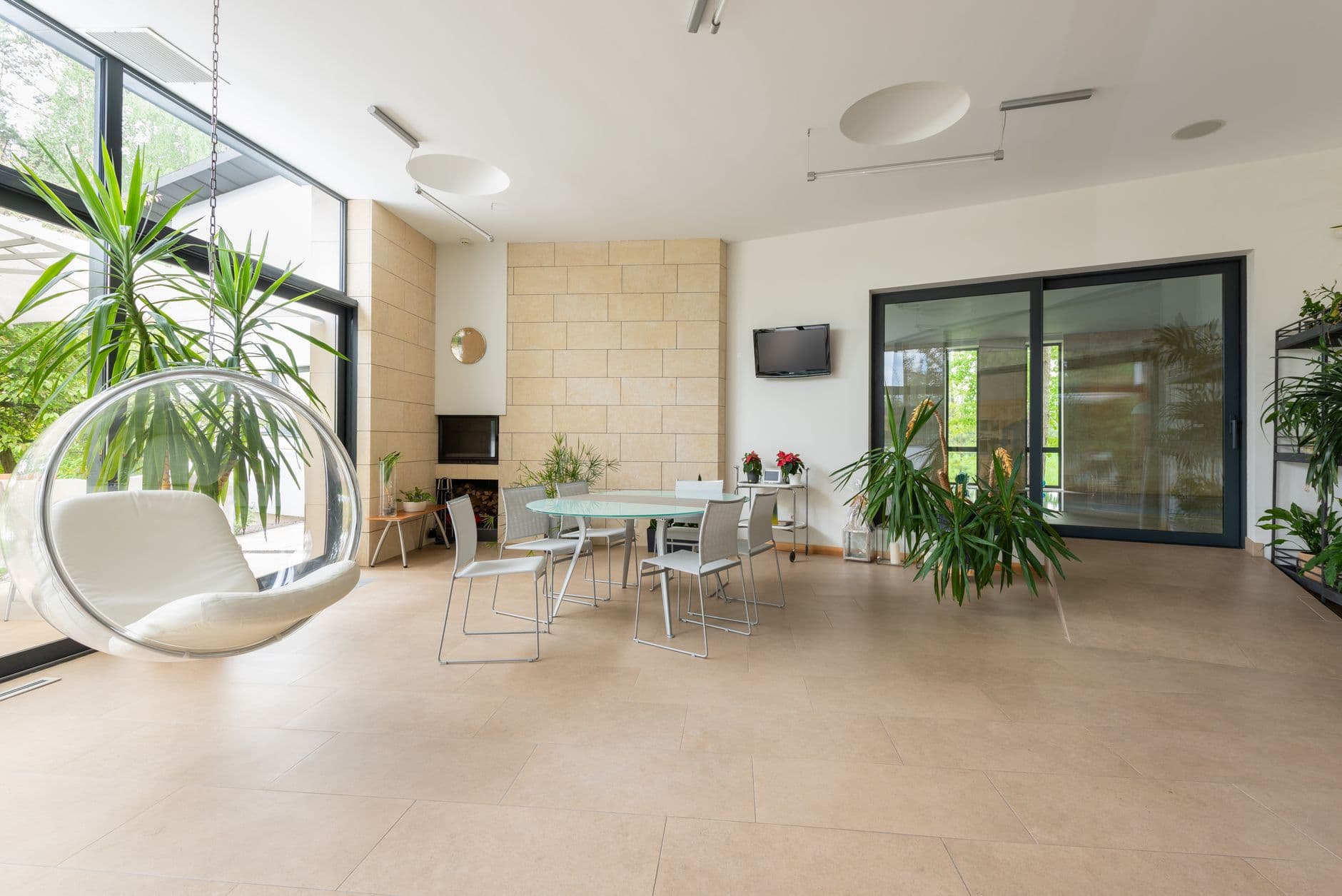
A room built around warm minimalism already has enough going on: wood grain, a stone surface, linen texture. Adding five small plants on top of that competes for attention instead of adding to it. One plant, chosen for its shape rather than its variety, reads as a deliberate object instead of decoration. Think of it the way you would think about a warm neutral palette: restraint is what makes the room feel finished, not more choices stacked on top of each other.
The plants that actually survive low light
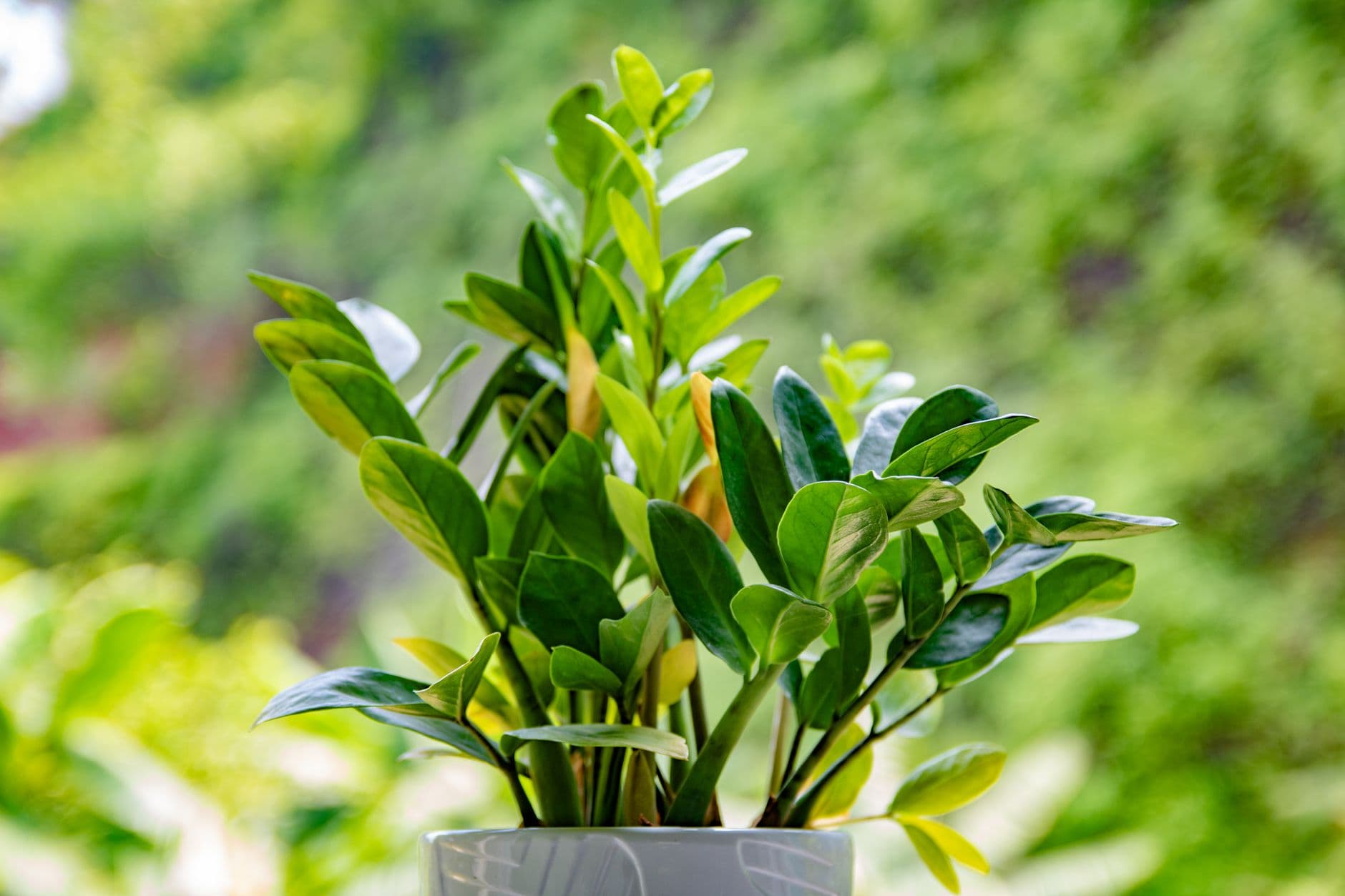
Most living rooms do not get the bright, indirect light plant blogs assume you have. Two plants forgive that reliably: the snake plant, with its stiff upright leaves that read as architectural rather than leafy, and the ZZ plant, with its glossy dark green stems that hold their shape without staking. Both tolerate weeks of inconsistent watering, which matters more than any styling advice once the plant is actually living in your room.
Give it a spot, not a shelf
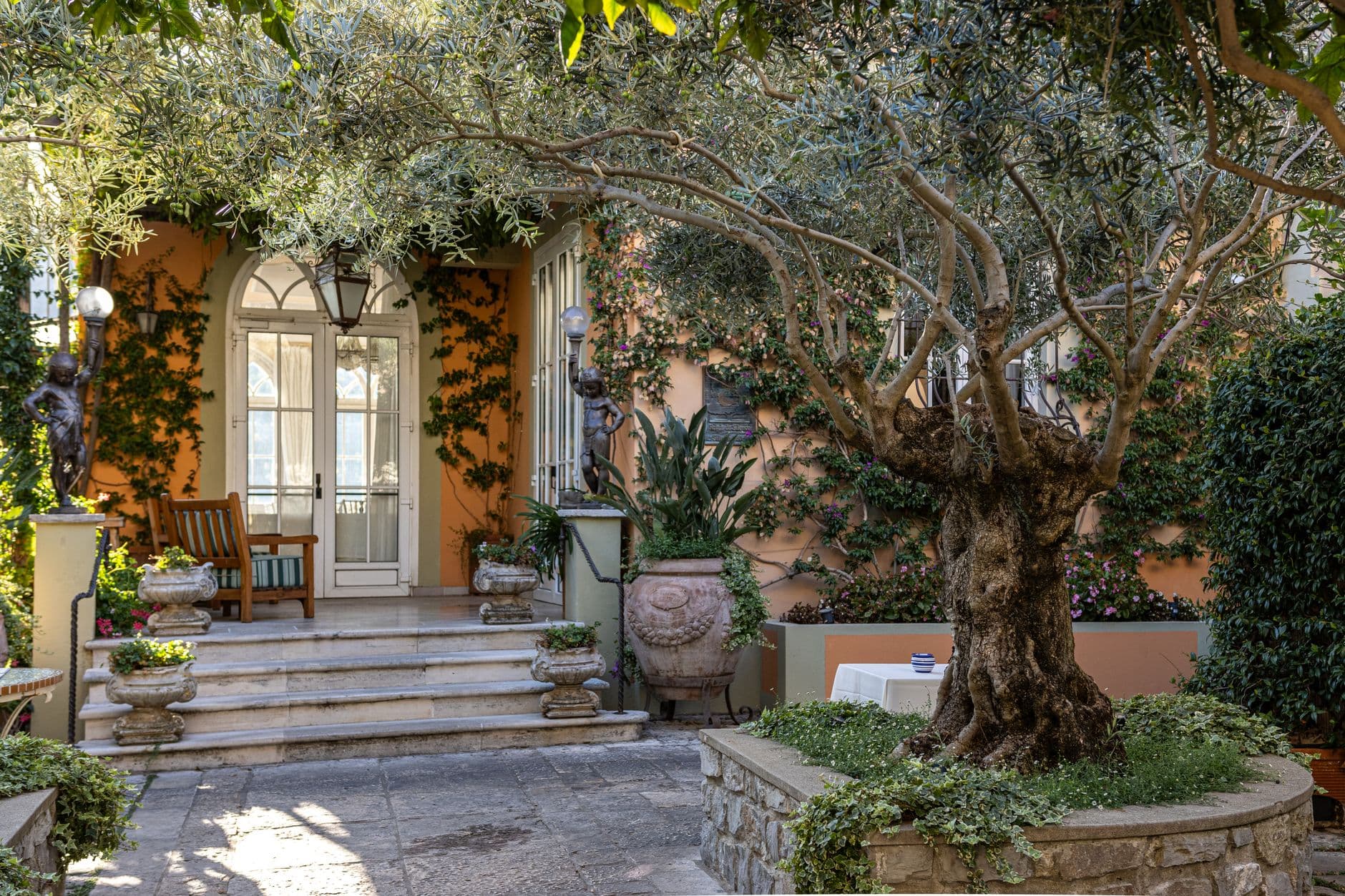
A plant tucked onto a crowded shelf disappears into the clutter. Give it the floor instead: a corner that gets natural light, next to a reading chair, or beside a window where the leaves catch the light through the day. An olive tree or a fiddle leaf fig in a floor pot works as a room anchor the same way a sculptural chair or a floor lamp would, not as an accessory you notice last.
The pot matters as much as the plant
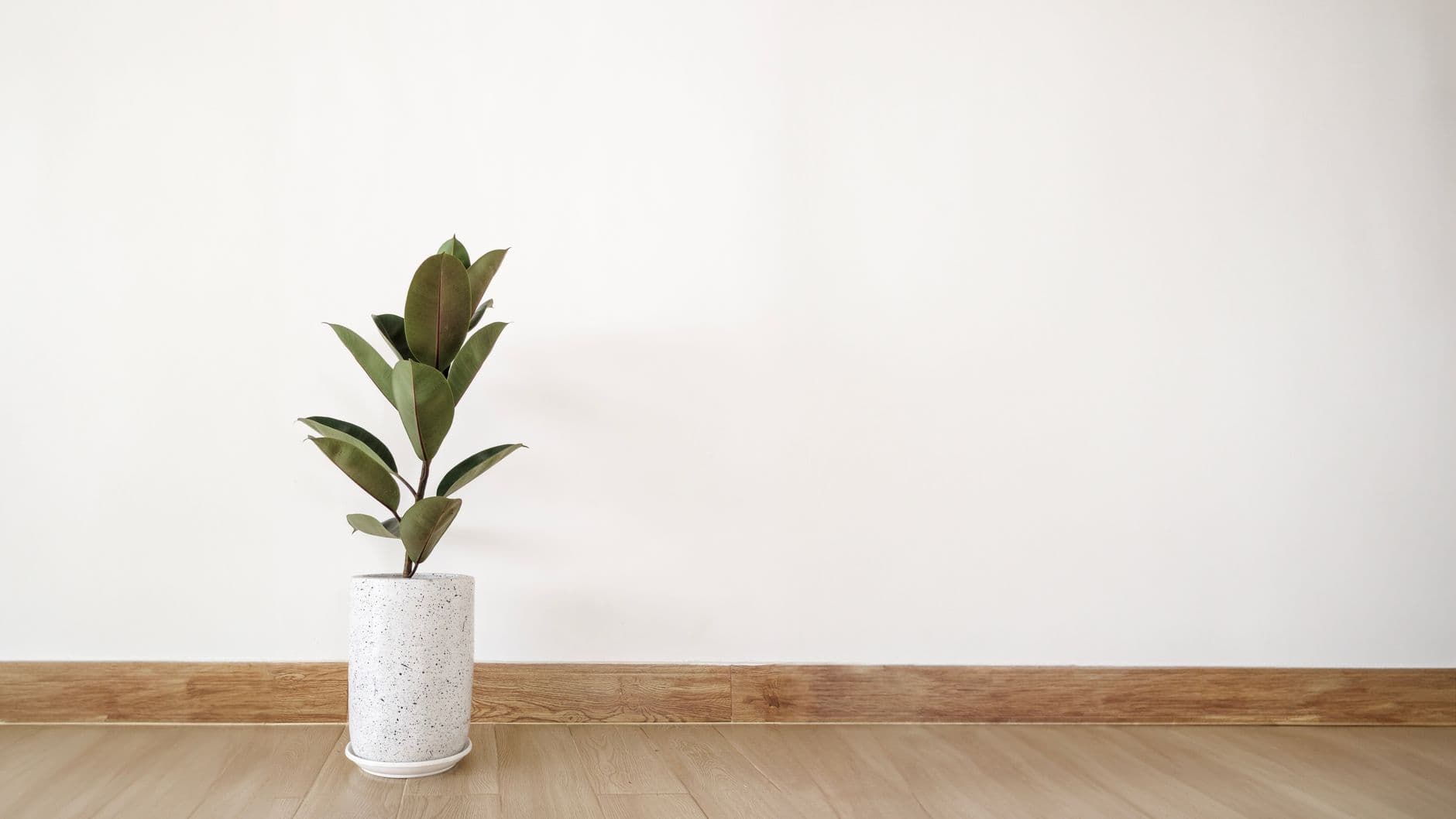
A plastic nursery pot undoes all the restraint of the room around it. Move the plant into something with real material weight: unglazed terracotta, a matte ceramic in a warm neutral tone, or a woven basket if you want texture instead of a hard surface. Avoid anything glossy, colored, or patterned. The pot should read the same way natural stone does elsewhere in the room, as a quiet material choice, not a decoration in its own right.
The mistakes that give it away
Too many small plants clustered on a windowsill. A pot with a leftover price sticker still on it. Fake plants that almost pass until you look closely at the leaf texture. Watering on a rigid schedule instead of checking the soil. Each of these is a small thing, but they add up to a room that looks styled instead of lived in, which is exactly the opposite of what warm minimalism is trying to do.