Curved Furniture: What the Shape Actually Changes
Curves can improve a route, support a different sitting posture or waste half a room. Seven ways to judge the shape before buying or building it.
Written by Vestados Editorial · 2 July 2026
Affiliate disclosure: some links earn us a commission if you buy something, at no extra cost to you.
Curves are often discussed as a mood, which is not much help when a sofa has to pass through the front door. Shape changes practical things. A rounded arm can reduce the usable seat inside a wide frame. A pedestal can give a round table more flexible chair positions. An arch may turn a plain opening into a strong part of the architecture, but only after structure, services and plaster details are resolved. None of these forms is new. Designers spent much of the twentieth century testing bent plywood, moulded fibreglass and plastic to make curves carry a body or stand without four legs. The useful question is not whether curves are fashionable. Ask what a particular curve does, how much floor it occupies and whether its construction will survive daily use. The seven examples below separate the shape from the sales language.
A rolled arm is part of the floor plan
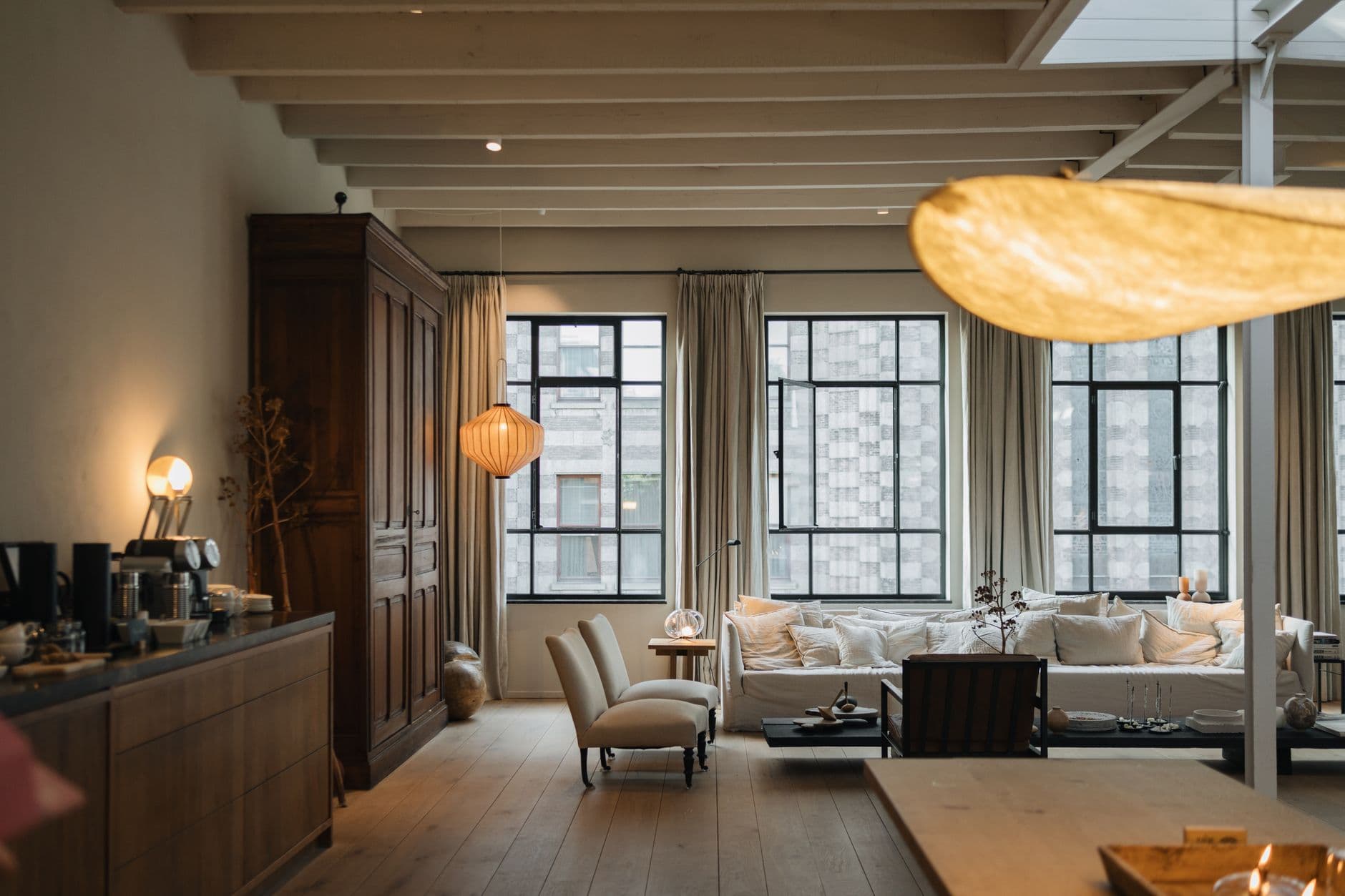
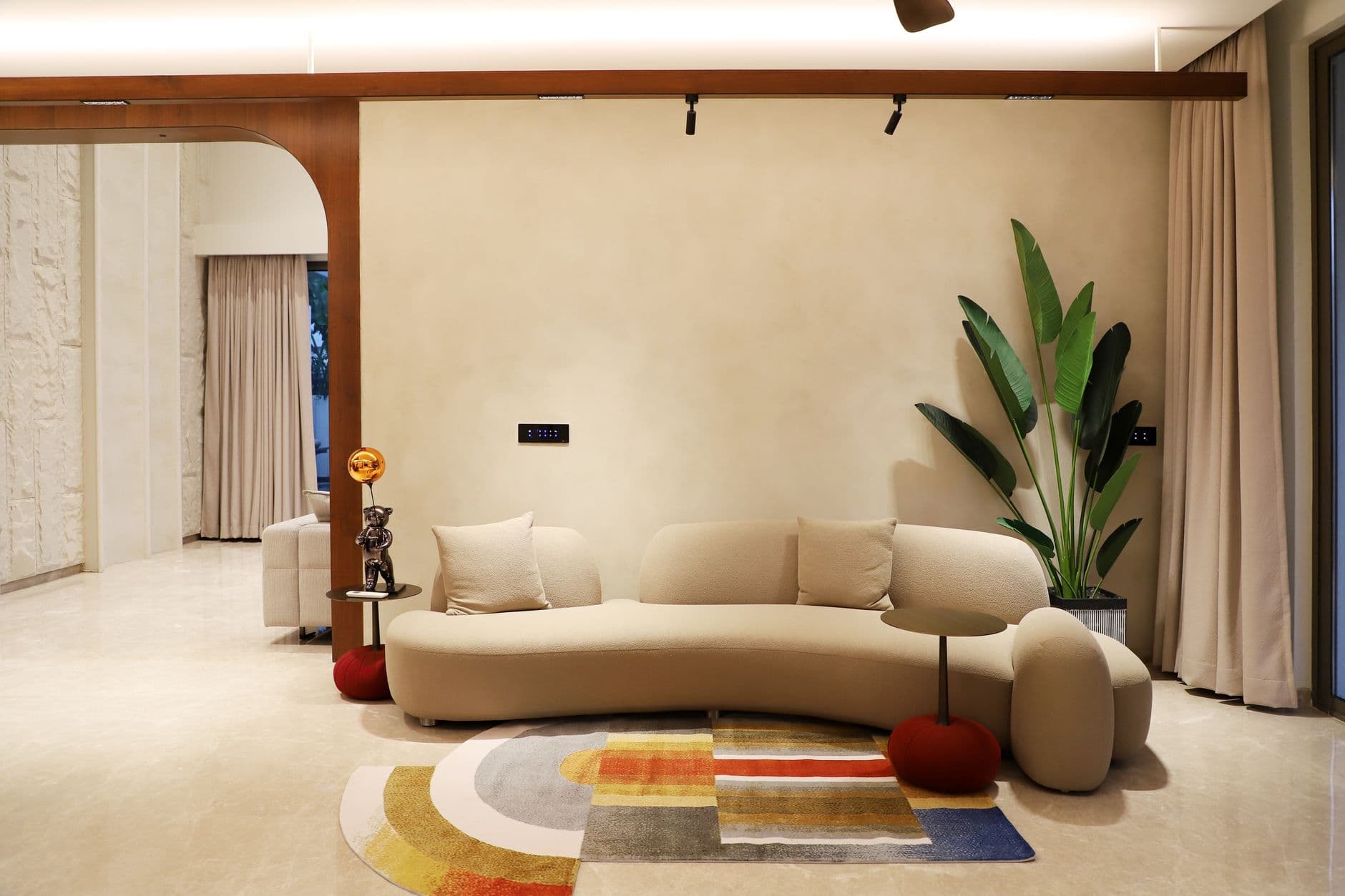
A sofa can look soft and still be a poor place to sit. Rounded arms consume width, so compare the overall dimension with the straight seat between them. Twenty centimetres lost at each side changes a generous three-seat frame into something much tighter. Look at the back too. A fully bowed sofa may need to stand away from a flat wall, leaving a crescent of floor that cannot be used. That can be worthwhile in an open room where the curve turns people toward each other. It is harder to justify in a narrow living room that needs the sofa against the perimeter. Sit across every position if possible. The centre may feel quite different from the ends, and a low back that photographs well may offer little support above the shoulder blades. Ask whether the frame is built in sections and whether the cover can be removed or repaired. The curve should improve conversation or comfort. If it only increases the shipping volume, choose the straight version and spend the saved floor on a better chair.
An arch starts with the opening you cannot lose
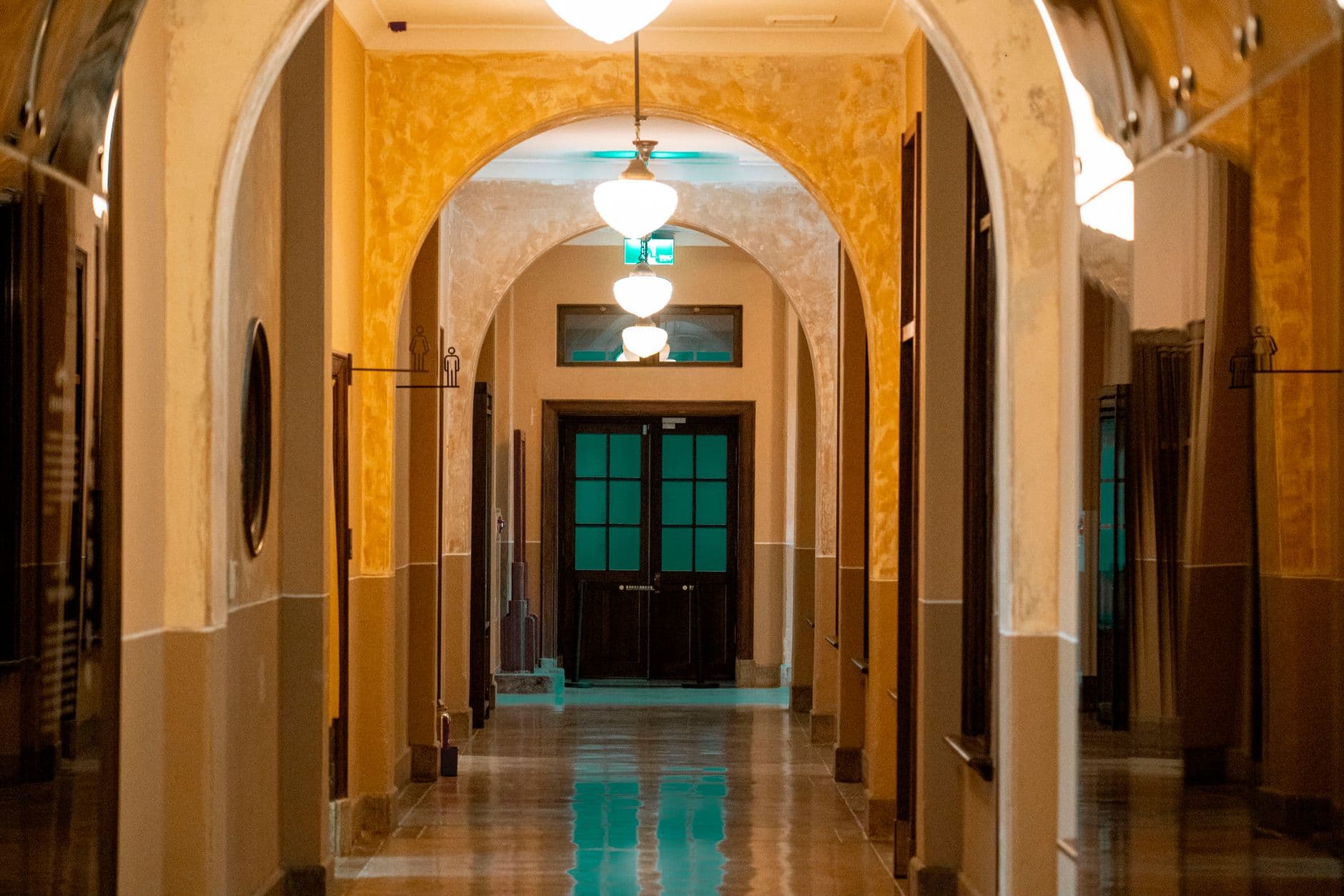
A plaster arch can give a plain passage a clear identity, but its lowest point must not compromise the route. Record the finished clear width and height before choosing a radius. Then find out what the wall contains. Structure, wiring, pipework and ventilation can turn a simple sketch into a larger building job. A non-structural arch insert is easier, though it still adds thickness and needs a clean junction with the existing wall. Full semicircles suit some proportions; a shallow segment often preserves more height in a standard domestic opening. Draw both elevations at scale. We also prefer the same arch language to appear for a reason, perhaps at a main threshold and one related niche, rather than being stamped onto every doorway. Ask the builder how the curve will be formed, which corner profile will be used and how future cracks or dents are repaired. Good plasterwork looks effortless because the geometry and substrate were settled first. The emotional effect comes later, once the opening still performs its original job.
Round tables trade corners for diameter
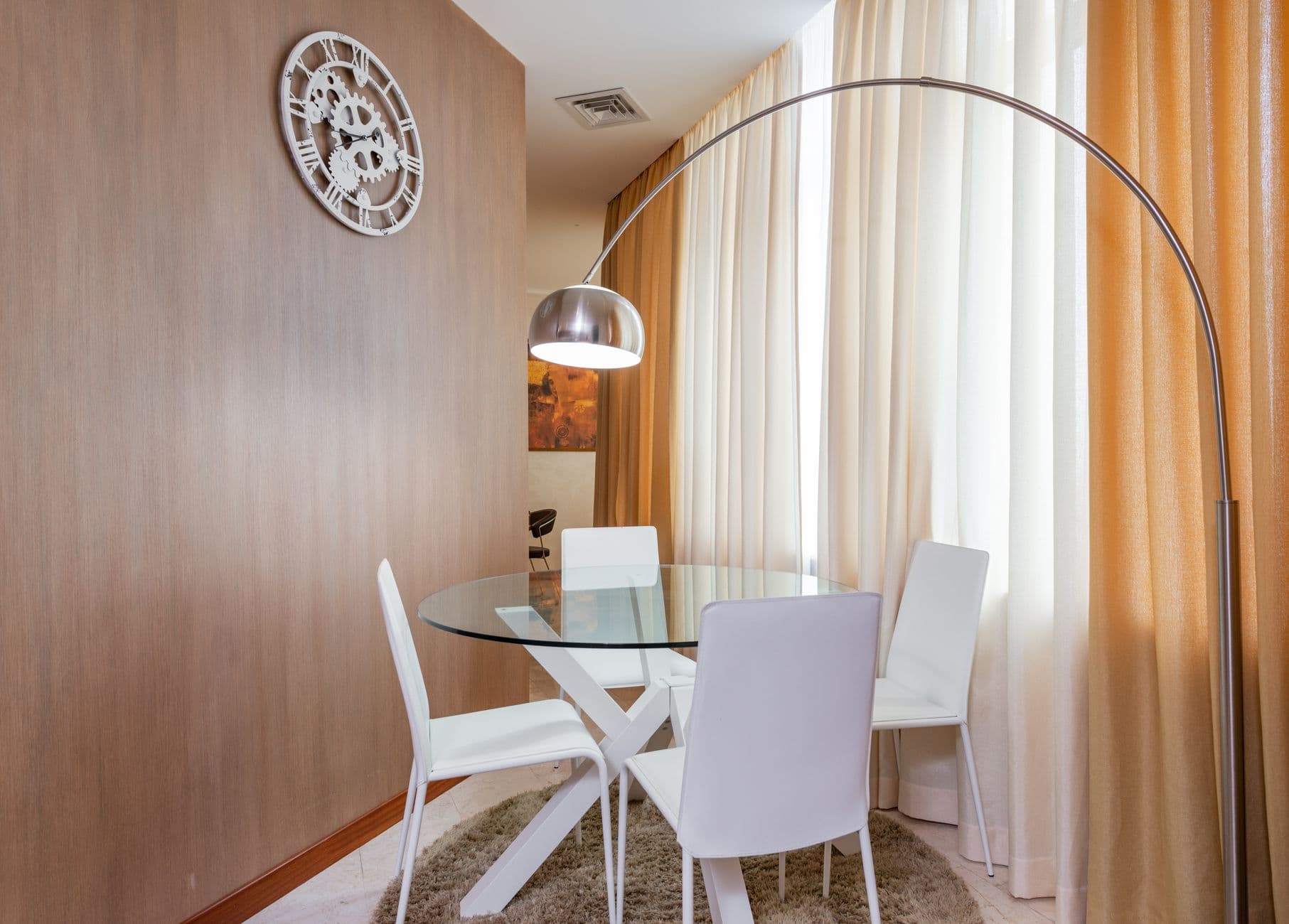
A round table removes corner conflicts and lets chairs shift around the perimeter, but it is not automatically compact. Diameter grows quickly as more seats are added, and the centre can become difficult to reach. Measure the chairs at their widest point, including arms. Place them around a taped circle with the gaps you would accept during a long meal, then add the space required to sit down and walk behind an occupied chair. The base changes everything. A central pedestal frees feet around the edge, while four splayed legs may dictate exactly where each chair can go. An oval top is useful in a long room because it keeps length and softens the ends, yet the narrowest parts may offer less place-setting and knee space than expected. Check the underside in person or request a dimensioned drawing. Extension mechanisms deserve the same attention: where is the leaf stored, what happens to the base when opened and does the grain or stone pattern still make sense? The right table fits people in use, not chairs pushed neatly underneath.
The Womb Chair made posture part of the brief

Eero Saarinen's Womb Chair is a useful reference because its curve was tied to a precise request. Florence Knoll wanted a chair she could curl up in rather than one that prescribed an upright position. Knoll records that the 1948 design used a foam-covered moulded fibreglass shell and supported several sitting postures. That history is more instructive than the current appetite for barrel chairs. An enveloping seat should give the body room to change position. Check seat depth, arm height and the angle of the back against your own proportions; a chair that hugs one person can pin another forward. Thick upholstery can also narrow the interior without changing the advertised overall width. Swivel versions need clear floor around the back and sides, especially near a wall or table. Delivery matters because many shell chairs do not break into small components. Confirm the route, lift and stair turns before ordering. A deep curved chair earns its corner when somebody can read, turn toward a conversation and sit sideways without fighting the shape.
A rounded wall needs an ordinary repair plan
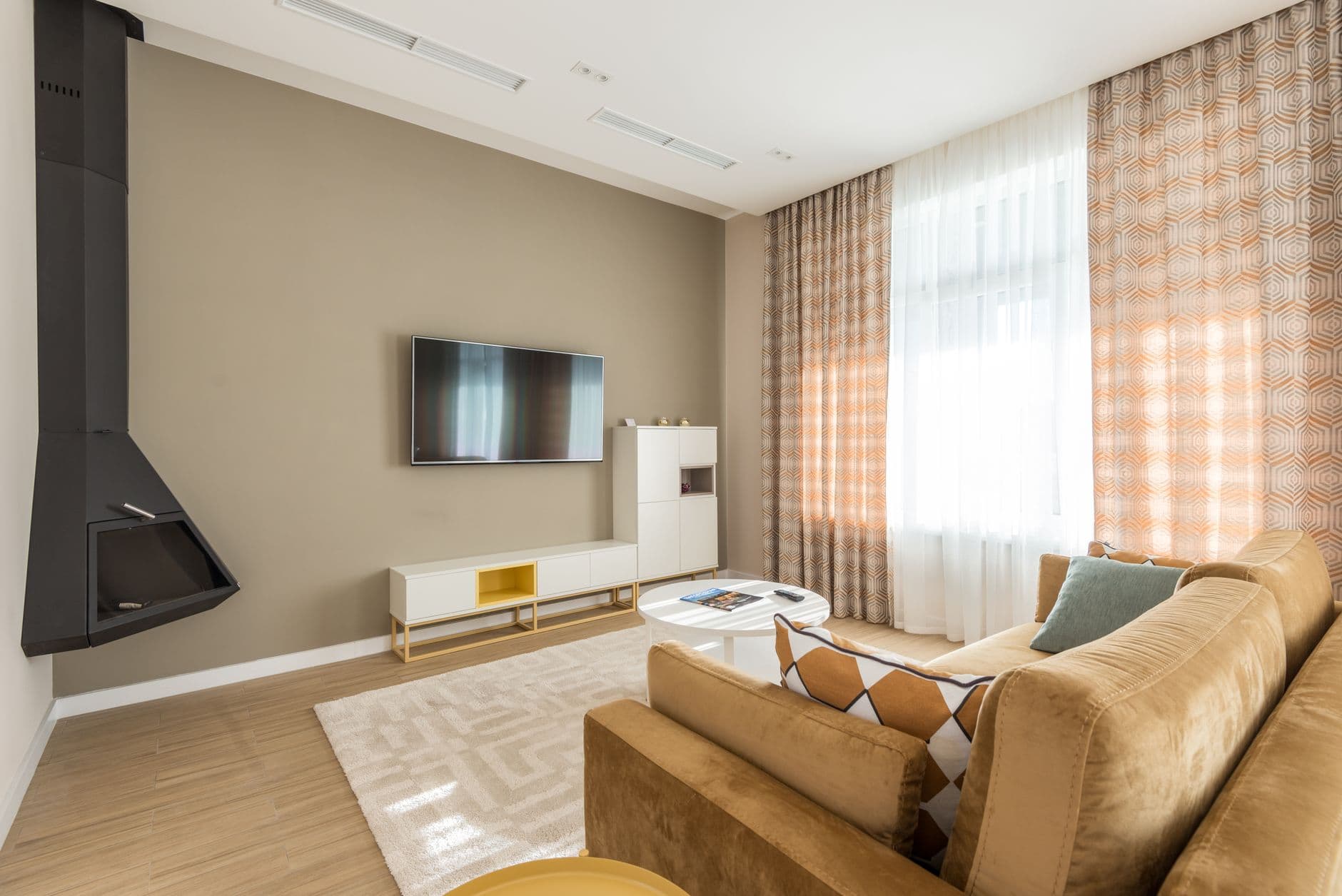
Curved plaster and rounded drywall corners alter light beautifully, but they also move the finish into harm's way. A bullnose beside a busy hallway will meet bags, furniture and vacuum cleaners. Ask what forms the radius beneath the final coat. The answer may be shaped board, a proprietary corner bead, timber work or a hand-built plaster substrate. Each has a different tolerance and repair method. Large flowing curves need templates so several trades follow the same geometry. Small radii can expose every bump once side light crosses them. Make a sample that includes the actual edge, primer and final finish, not just a flat colour board. Then keep the product names and batch information. If the curve wraps a fireplace or built-in bench, heat, movement joints and loading require project-specific detailing. Avoid using a difficult finish where you already know service panels or wiring will need access. The nicest result is not the curve with the fewest visible joints on completion day. It is the one that can be cleaned, opened or patched five years later without rebuilding the room.
Modern designers used curves to solve material problems
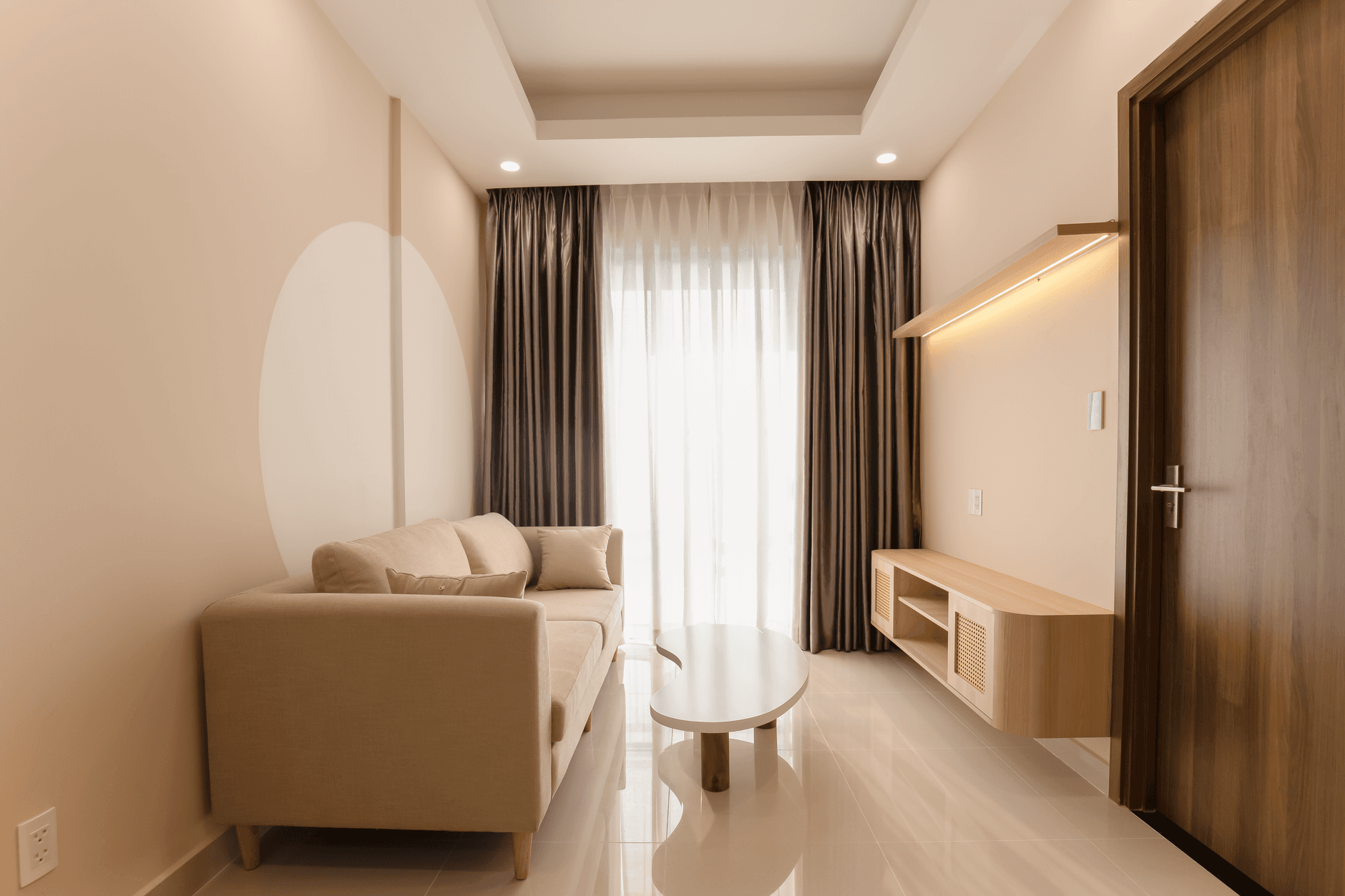
The history is richer than a return to the 1960s. Charles and Ray Eames spent years testing moulded plywood before the LCW reached its 1945 form. The Eames Office explains that the original single-piece shell kept splitting, so the designers separated the seat and back. The curve survived because the construction changed. Verner Panton pursued a different problem with the cantilevered Panton Chair. Vitra dates the concept to 1959 and its serial-production collaboration to 1967; the current polypropylene version arrived in 1999 after several material phases. Its S-shaped profile is structure, seat and base in one continuous piece. These examples matter because they refuse the idea that a curve is surface styling. Shape, material and manufacturing method were developed together. The same test applies to contemporary furniture. Turn it over. Look for joints, reinforcement, replaceable glides and upholstery seams under tension. Ask how the shell carries weight. A convincing silhouette may be copied easily, while the engineering that makes it comfortable and durable is harder to see.
Buy the curve only after drawing the straight alternative
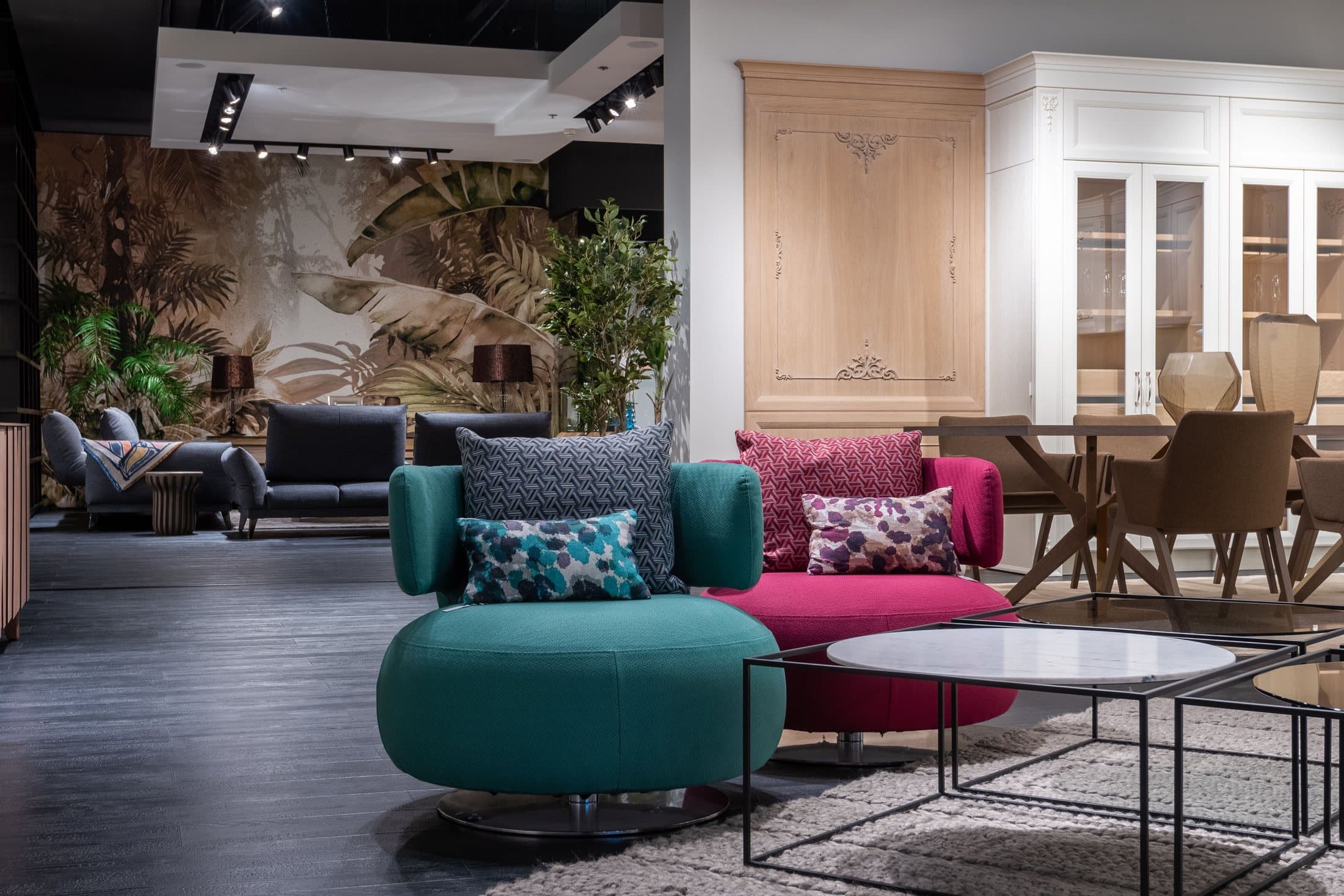
Before ordering a sculptural piece, draw a plain alternative in the same place. Give both options the same tasks and compare them without styling. How many people can sit comfortably? Can the robot vacuum pass, the curtains close and the side table reach the seat? Does the curved back create an empty wedge, and is that open floor part of the composition or simply unusable? Request a plan view from the seller, because a front photograph hides most of this geometry. Confirm overall and usable dimensions, frame material, upholstery cleaning, delivery packaging and the return policy. For vintage or licensed design, verify the maker's marks and dimensions with the authorised manufacturer or a reputable specialist rather than trusting a familiar outline. One curve is often enough to change a room. Pairing a bowed sofa, pebble table, arched cabinet and wavy mirror usually weakens each object. Choose the form that improves a route, posture or focal point. Let the rest of the room provide the straight reference that makes the shape legible.