How to Layer Light So a Room Works at Night
Most living rooms run on one overhead fixture and wonder why they never feel finished after dark. Here is the layering logic, ambient, task and accent, that actually fixes it.
Written by Vestados Editorial · 24 August 2026
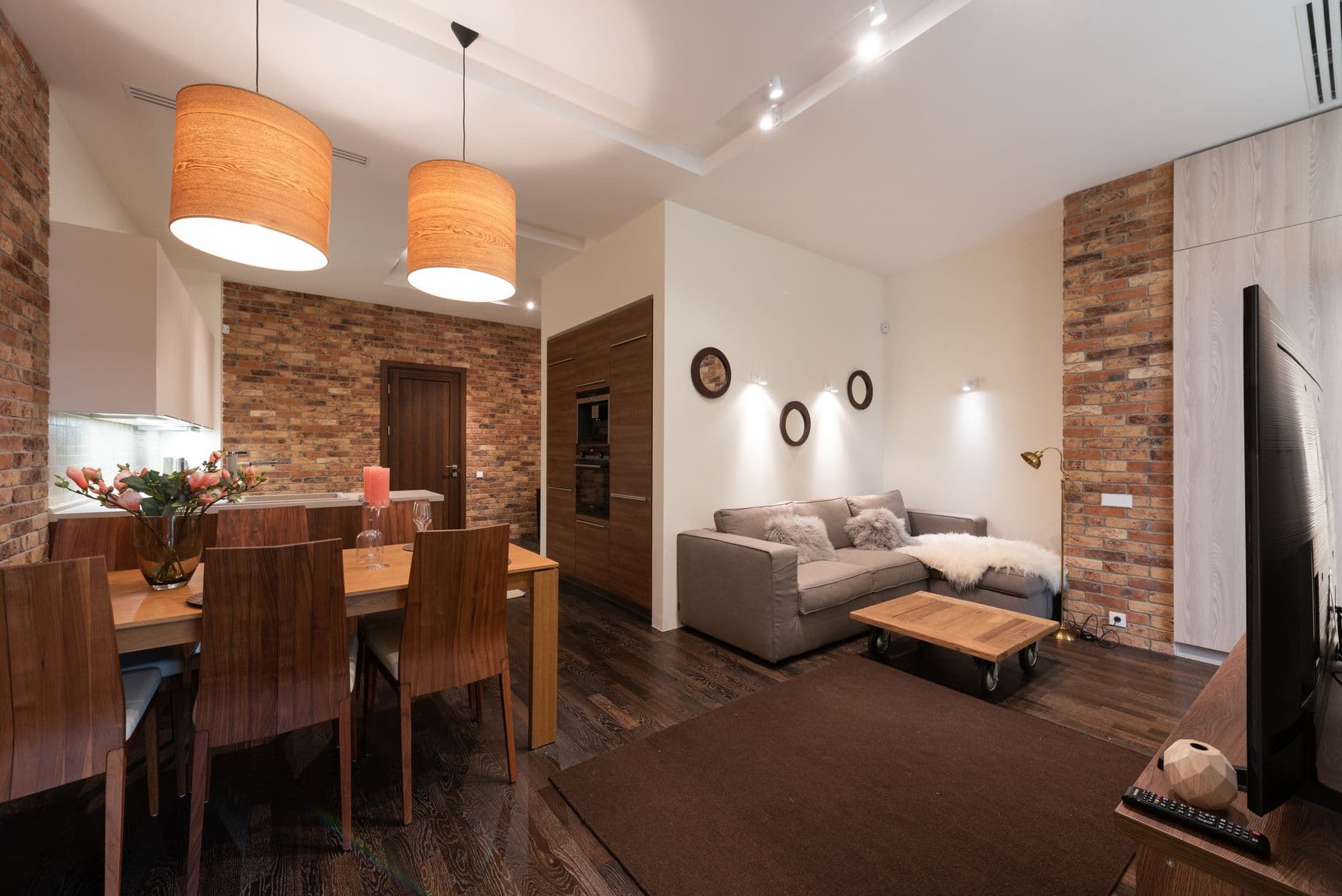
Most living rooms look tired at night for one simple reason: they run on a single light source, usually the ceiling fixture, and ask it to do every job at once. A room that actually works after dark uses several kinds of light, each with its own purpose, layered on top of each other rather than switched on together. None of this requires rewiring the house or an electrician's budget. It is mostly a matter of sequence: what each fixture is for, where it sits in the room, and what temperature bulb goes in it. Get the layers right and the same room can go from bright enough to find your keys to soft enough for a film, without moving a single lamp.
Start with ambient light, not the ceiling fixture
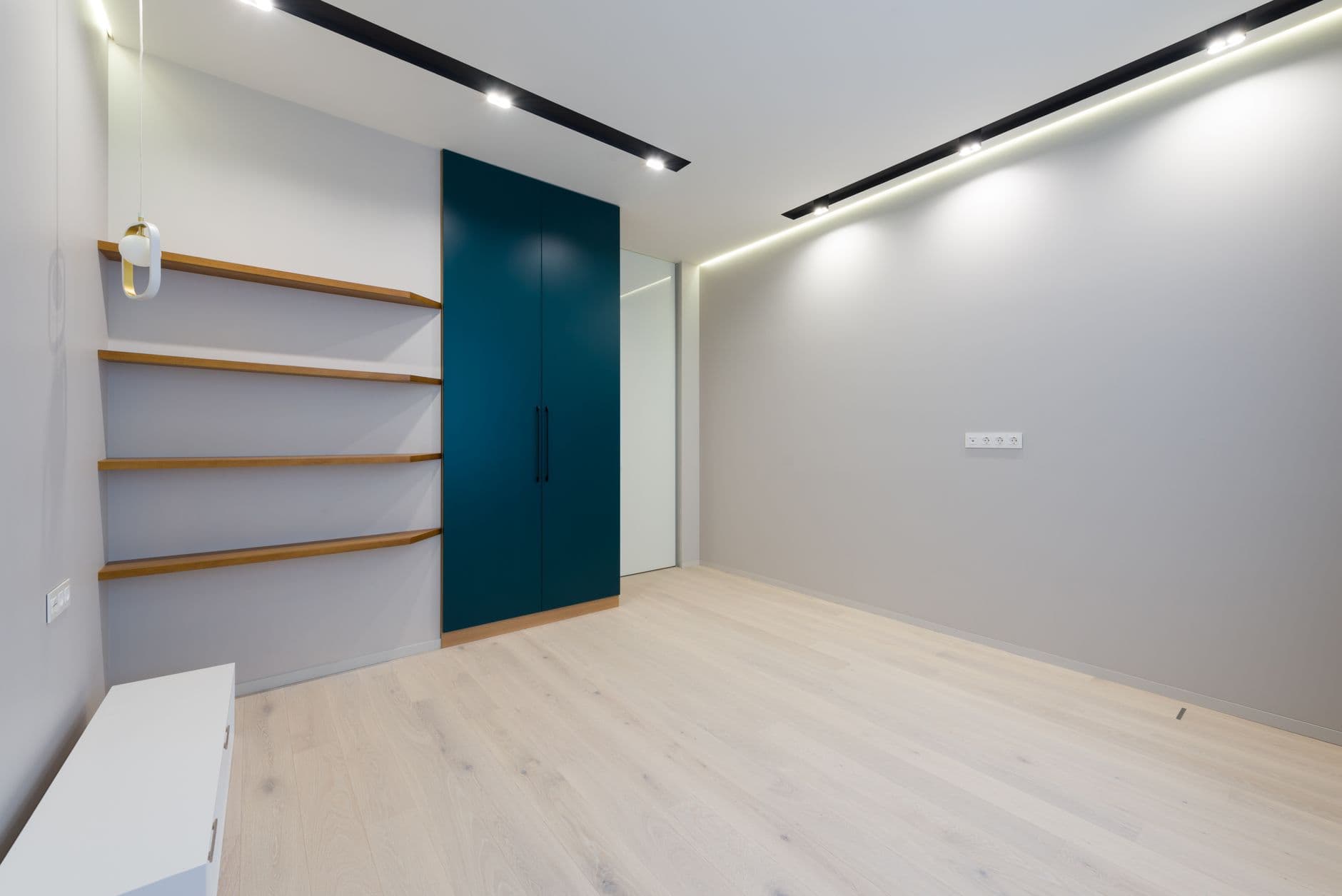
Ambient light is the base layer, the light that lets you walk into a room and see where the furniture is without thinking about it. It should be soft and indirect rather than a single bright source overhead: an uplighter in a corner, a floor lamp with a wide shade, or wall fixtures that throw light up and across a surface instead of straight down. The mistake most living rooms make is treating the ceiling fixture as the only ambient source, which flattens the whole room and throws hard shadows under furniture and faces alike. Try turning the main light off entirely for a week and using two or three smaller sources instead. Most people notice the room feels warmer within the first evening, even though the total amount of light has barely changed.
Task light earns its spot
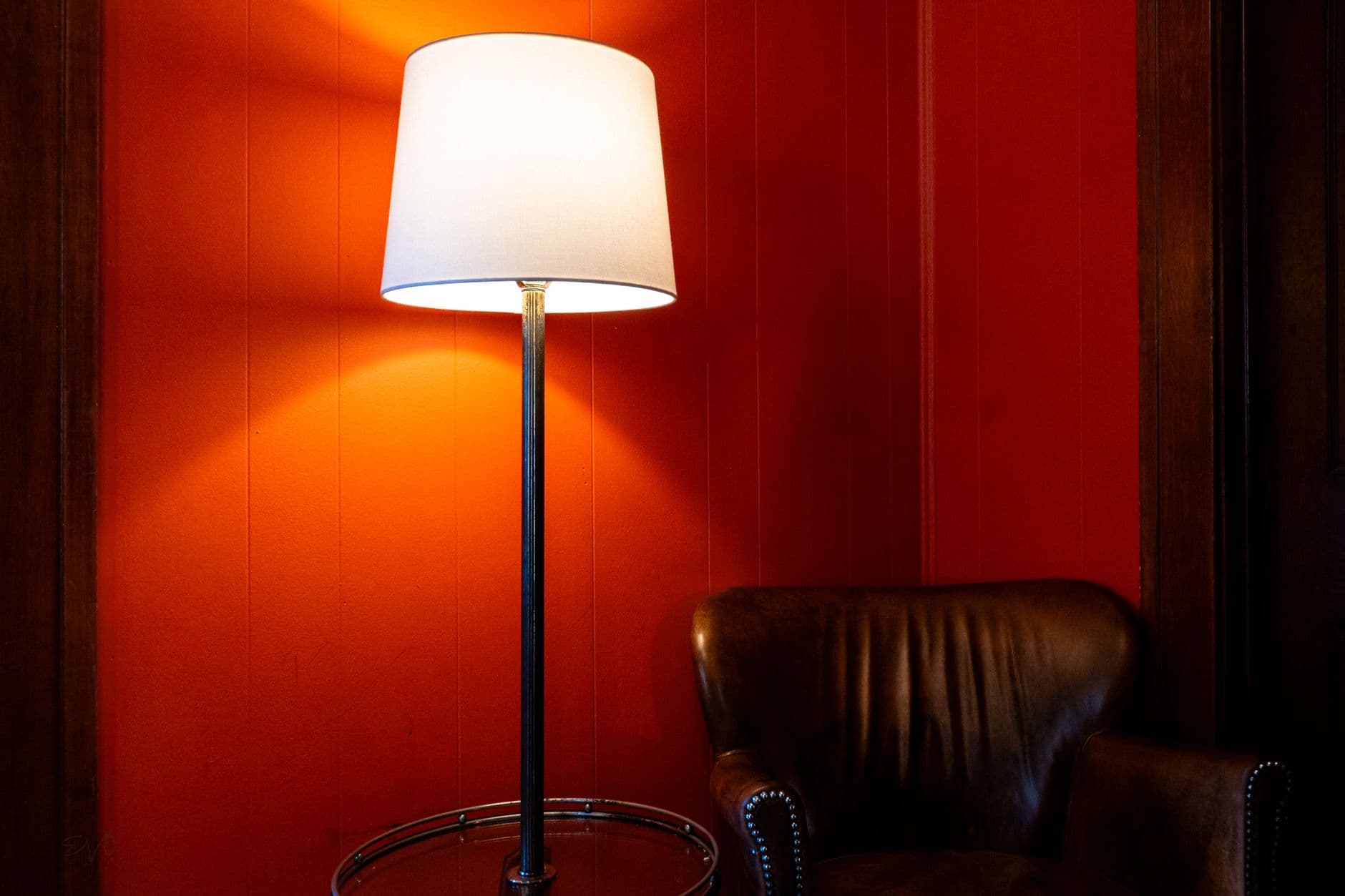
Task light is the layer with a job: a lamp beside the chair you actually read in, a fixture over the console where you open post, light close enough to see what your hands are doing without lighting the entire room to do it. It works best positioned near the activity rather than centered in the room for symmetry. A reading lamp that sits at shoulder height when you are seated does more for how a room gets used than three ambient fixtures combined, because it makes one specific spot genuinely comfortable to sit in after dark. If there is a chair in the room nobody uses in the evening, a missing task lamp is often the real reason.
Accent light is where the mood lives

Accent light is the layer that makes a room feel considered rather than simply lit. A picture light over a piece of art, a lamp placed behind a plant so the leaves throw shadow on the wall, a narrow beam catching the texture of plaster or stone, these are small, almost architectural gestures that only register once the ambient and task layers are already doing their job underneath. Accent light rarely needs to be bright, and it is often the layer people forget entirely, which is exactly why a room with even one well placed accent fixture tends to feel, and photograph, more expensive than one without.
Warm color temperature matters more than brightness
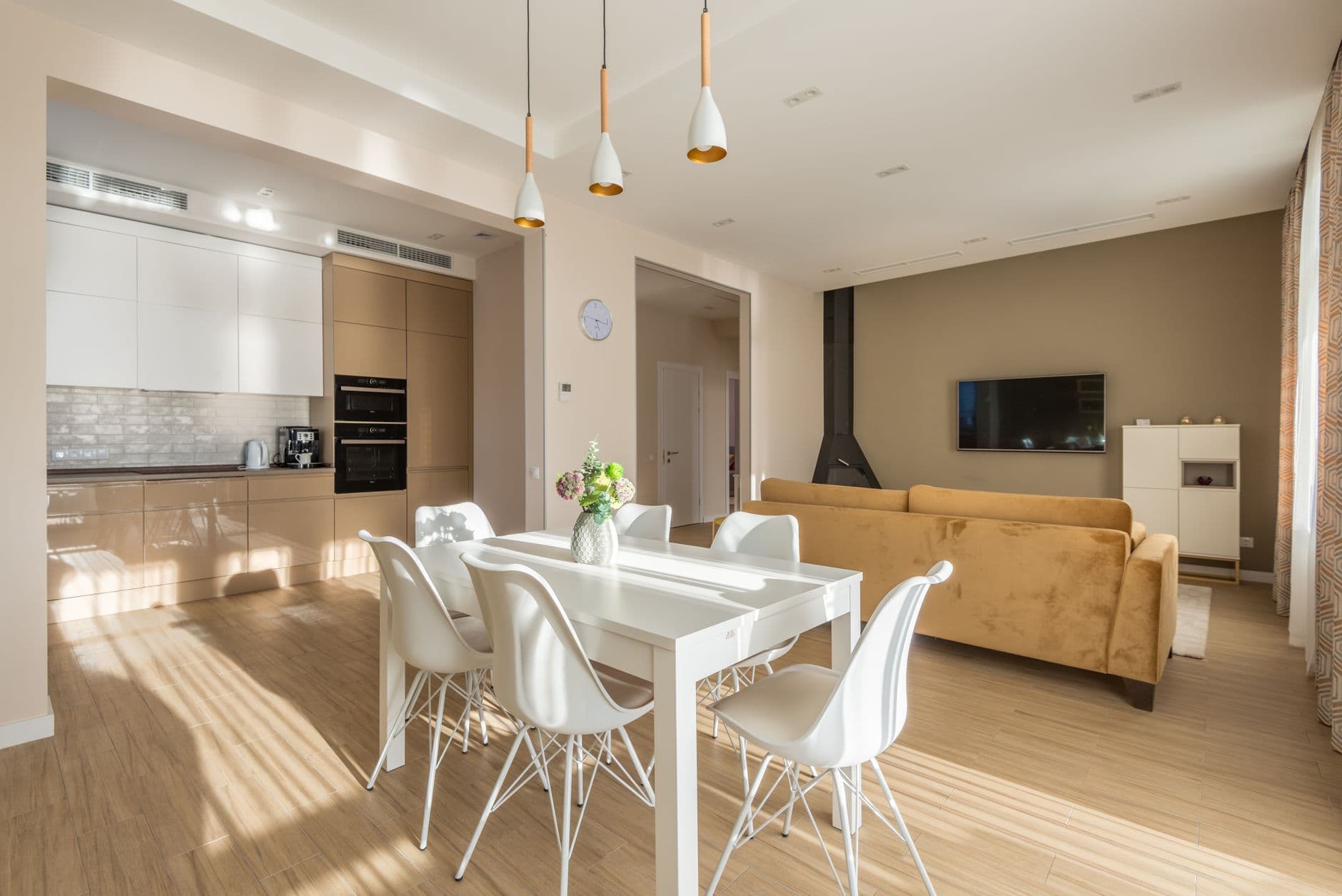
A room lit at 2700 Kelvin feels like an evening. The same room lit at 4000 Kelvin feels like a waiting area, no matter how many lamps are in it or how much they cost. Mixing color temperatures within one room, a warm lamp next to a cool one, is one of the fastest ways to make a finished space look unresolved, so it is worth checking the Kelvin rating printed on the bulb box before it goes into the fixture rather than after. For any room built around sitting still, warmer is almost always the right call, even if it means replacing bulbs that came with the fixture.
One dimmer switch changes the whole room
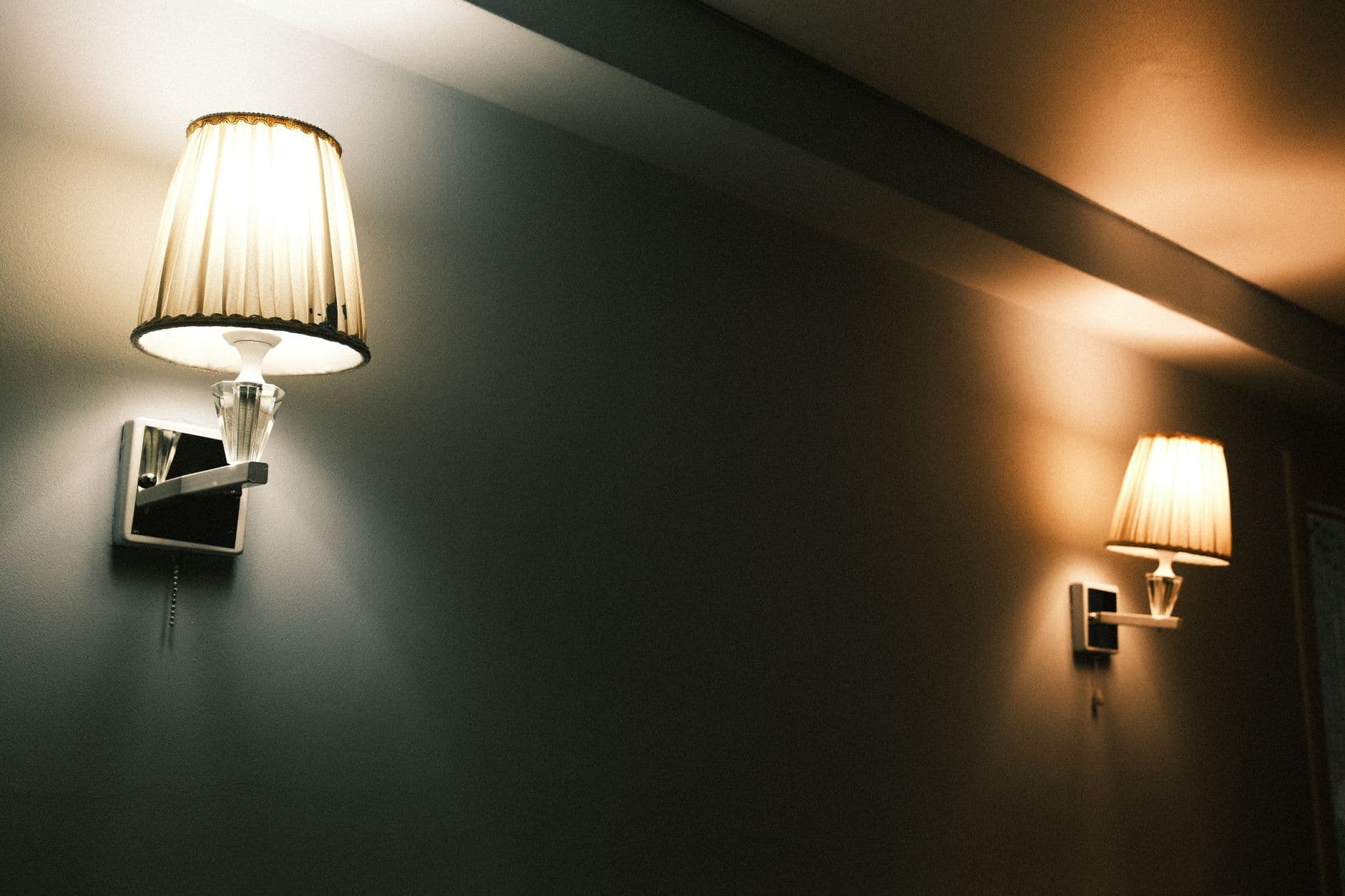
A dimmer lets the same fixtures serve completely different moments in the day: bright enough to find your keys and sort the post, low enough for a film or a conversation that runs late. It costs little to install relative to what it does, and it solves the real problem behind most badly lit rooms, which is that they only have one setting, fully on. If a room gets upgraded in only one way this year, a dimmer on the main switch is the change most likely to be noticed by anyone who sits in it after dark.