Fluted Wood and Reeded Glass Are Replacing Flat Surfaces
Vertical grooves are showing up on cabinet fronts, glass doors and even table legs this year. It is not nostalgia. It solves a problem flat, smooth surfaces never could.
Written by Vestados Editorial · 24 August 2026
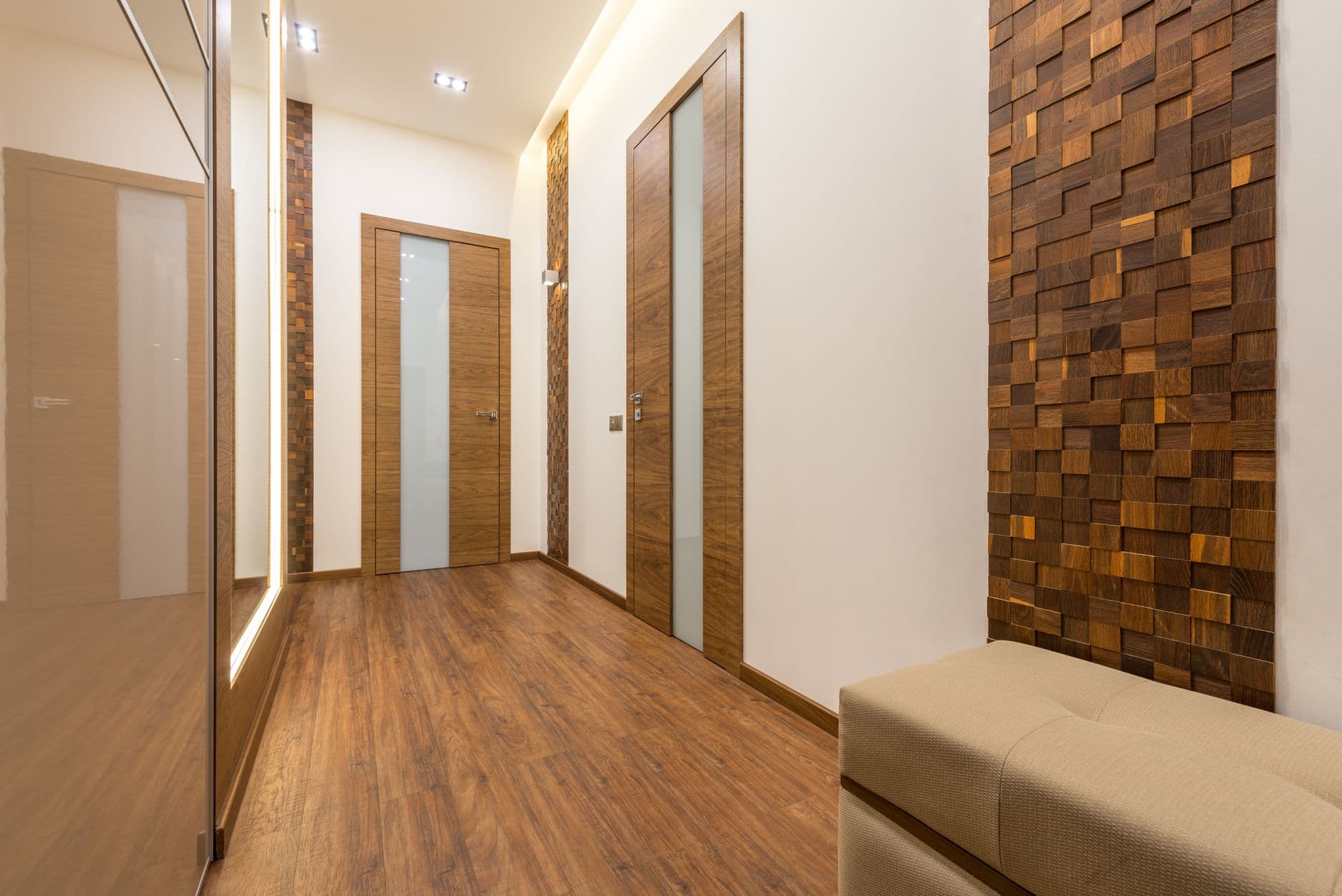
For a few years now, the flattest possible surface has been the goal. Slab cabinet doors, sheet glass, smooth plaster, one plane after another with nothing to catch the eye except color. That flatness photographed well, but it also started to feel a little cold, a little like a showroom rather than a home. What is replacing it is not a new material so much as an old one used differently. Fluted wood, reeded glass, ribbed tile and grooved plaster are turning up across kitchens, bathrooms, hallways and living rooms, and the appeal is simple. A groove catches light instead of just bouncing it back, so the same surface looks different in the morning than it does at dusk. The pattern itself dates back a century, to the glass partitions of early modern buildings, but the way it is being used now is warmer and more restrained than its Art Deco original. Here is where the texture is showing up, and why it works better than the flat panel it replaced.
Kitchen cabinets are losing their flat fronts
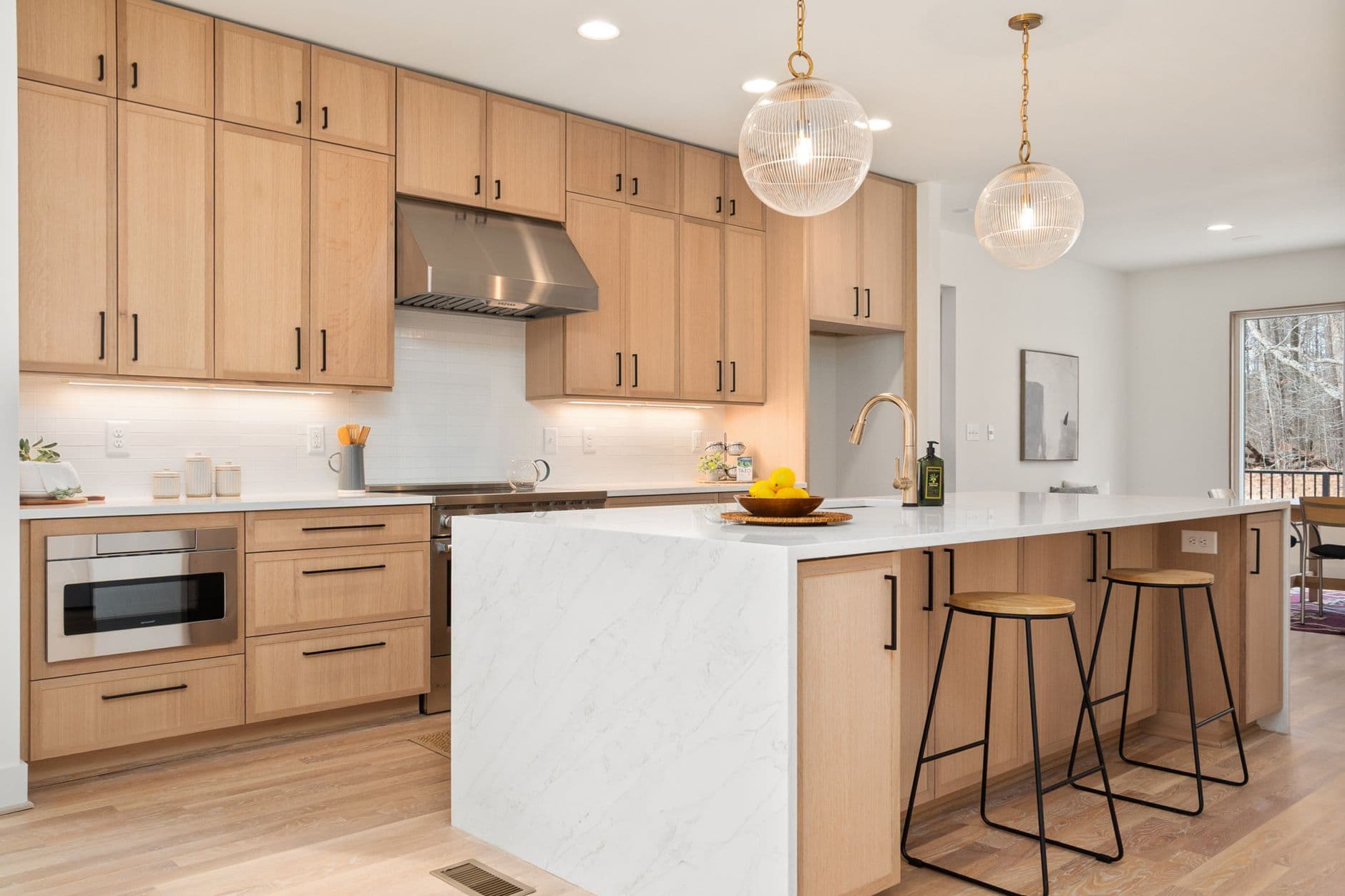
The flat slab door has been the default kitchen look for a decade, and fluted wood is the first real challenge to it. Vertical grooves cut or pressed into oak, ash or walnut catch the kitchen's overhead light and throw a soft line of shadow down every door, so a wall of identical cabinets reads as a wall of texture instead of a wall of boxes. It works especially well on an island, where the fluting becomes the one decorative element in a room that otherwise avoids ornament. The trick to getting it right is restraint. Flute the island or the tall pantry run, leave the rest of the cabinetry flat, and let the grooves do the work of a splashback or a pendant light instead of competing with either.
Reeded glass turns a wall into a filter, not a block
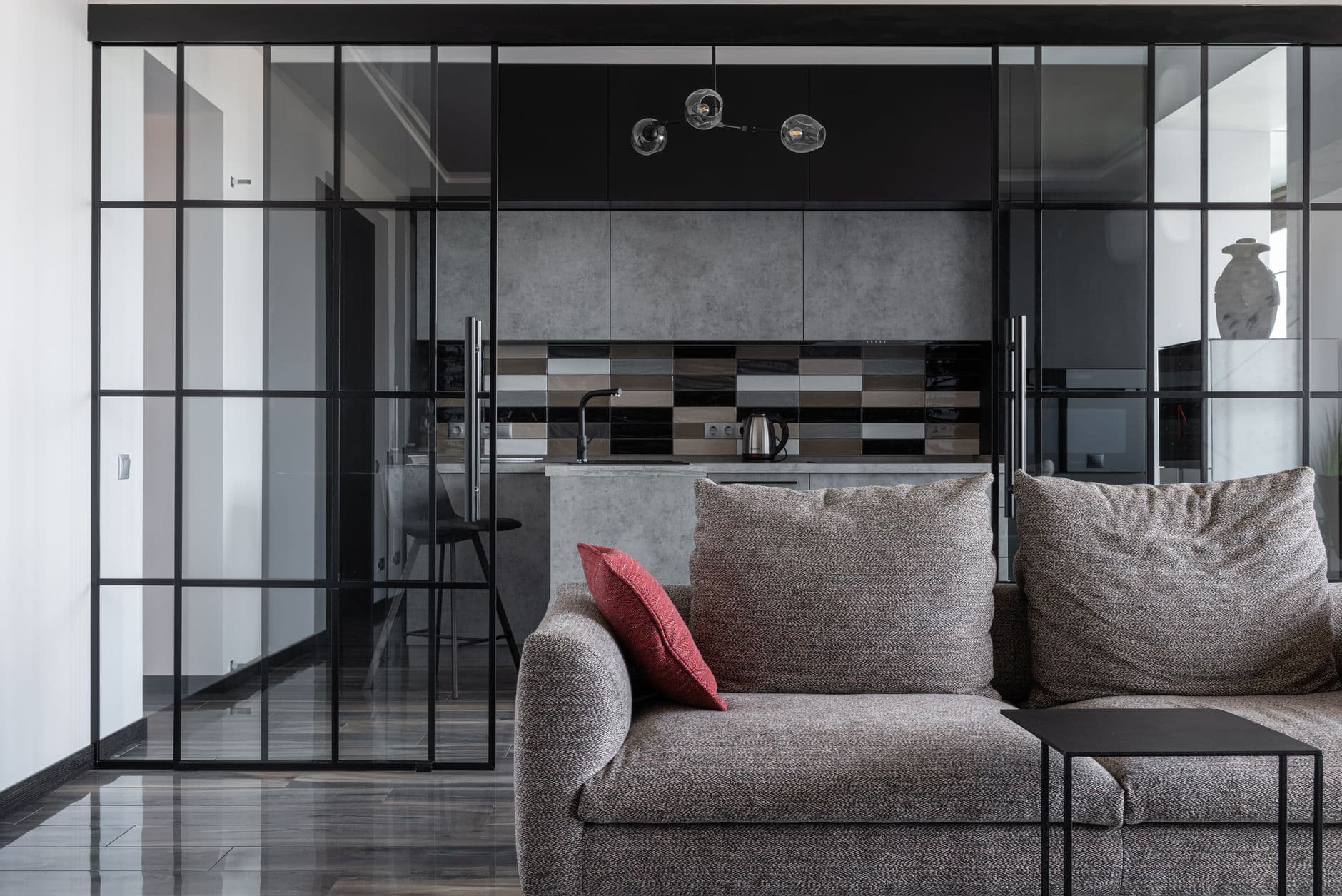
A solid wall blocks light completely and a plain glass wall blocks nothing, including privacy. Reeded glass sits in between. The vertical ribs scatter whatever passes through it, so a pantry door, a shower screen or a partition between a hallway and a living room can let daylight travel while blurring the shapes on the other side into soft vertical streaks. Designers are widening the grooves and deepening them compared to the tight ribbing you would have seen in a 1930s storefront, which is why the effect now reads as calm rather than decorative. Used on an internal door or a stair rail, it does something a curtain or a frosted film cannot. It stays a permanent, solid object while still letting the room breathe.
Bathrooms found a way to be private without going dark
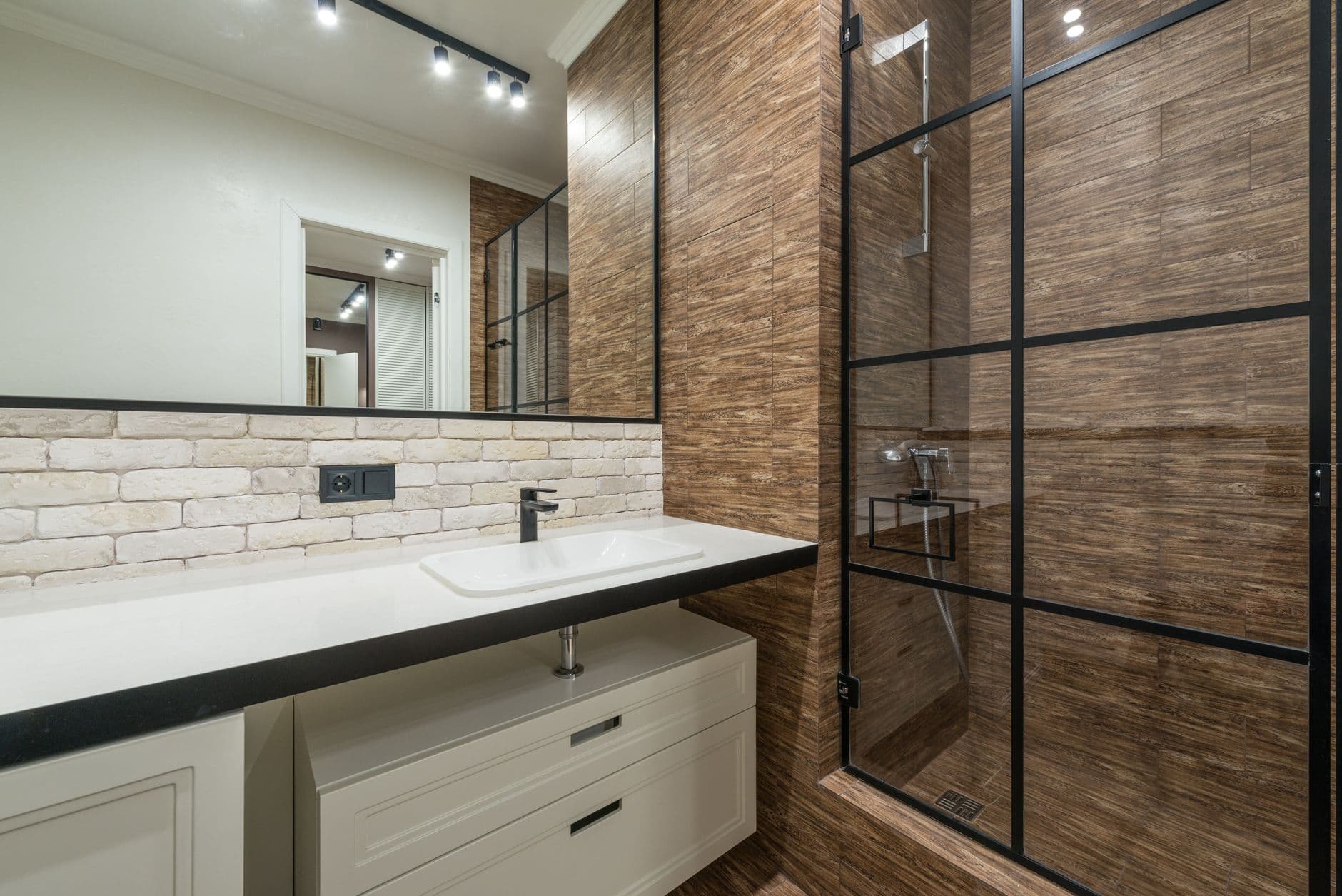
A bathroom window usually forces a choice between light and privacy, and frosted glass has been the compromise for so long that nobody questions it anymore. Ribbed and fluted glass is a better answer to the same problem. A shower screen or window pane with vertical texture keeps the room from being visible from outside while still passing far more daylight than a fully opaque film, and it does it without the flat, slightly clinical look frosting gives a room. Paired with a textured stone floor or a grooved tile on a single wall, it turns the one room in the house that is purely functional into the one with the most tactile interest, which is a fair trade for a space you spend so little decorating time on otherwise.
Furniture picked up the groove too
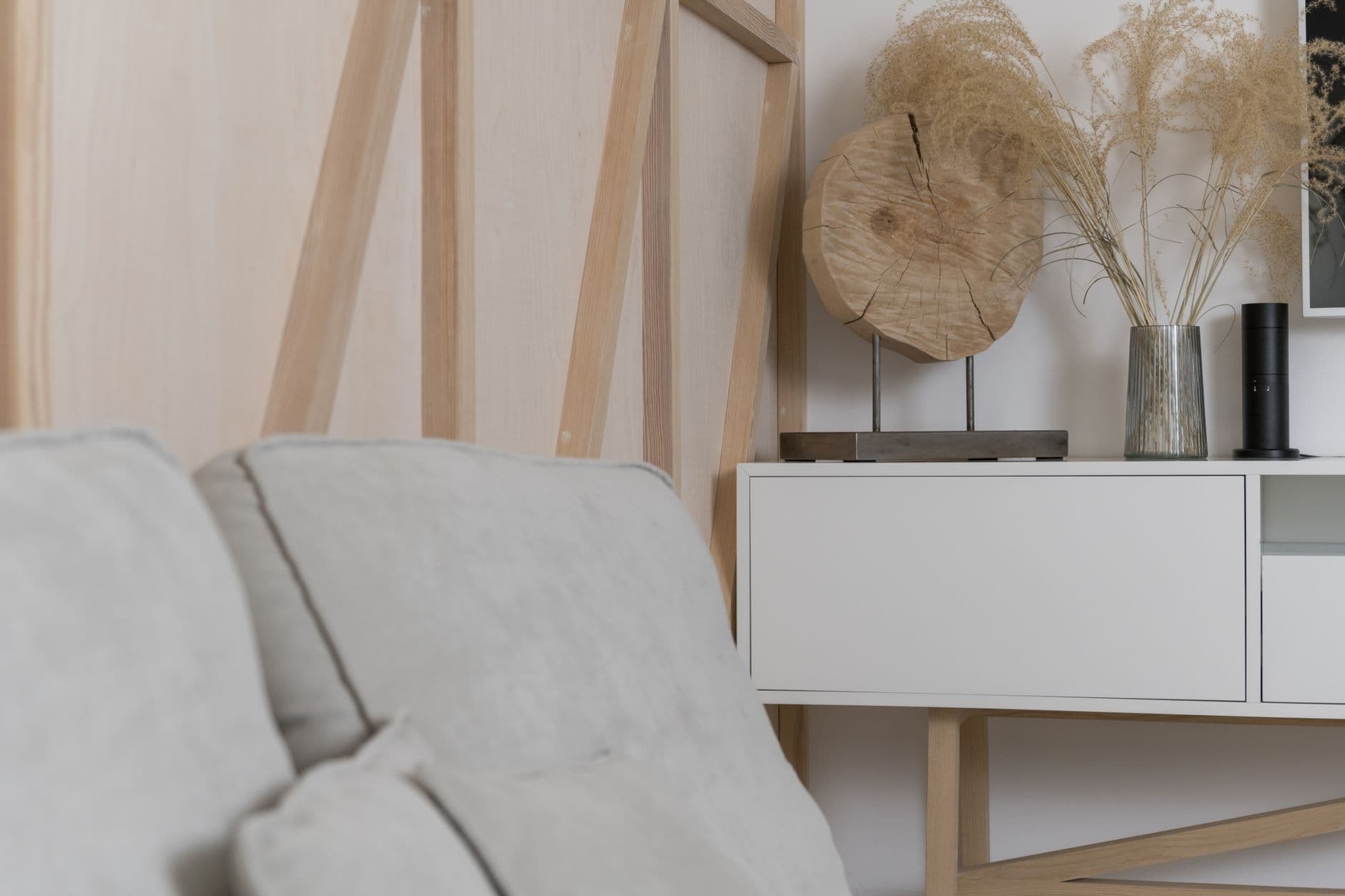
Once fluting showed up on walls and cabinets, furniture followed within a season. Sideboard and credenza fronts now come with the same vertical ribbing as kitchen cabinetry, console tables stand on grooved rather than smooth legs, and even side tables are being turned on a lathe to leave a ridged column instead of a plain cylinder. The reason it travels so well from architecture to furniture is scale. A large flat sideboard front can look like a slab of nothing in a room that already has plenty of flat surfaces, but the same piece fluted becomes the object your eye lands on first, without needing a bold color or an unusual shape to earn the attention.
A grooved wall panel can replace a headboard entirely
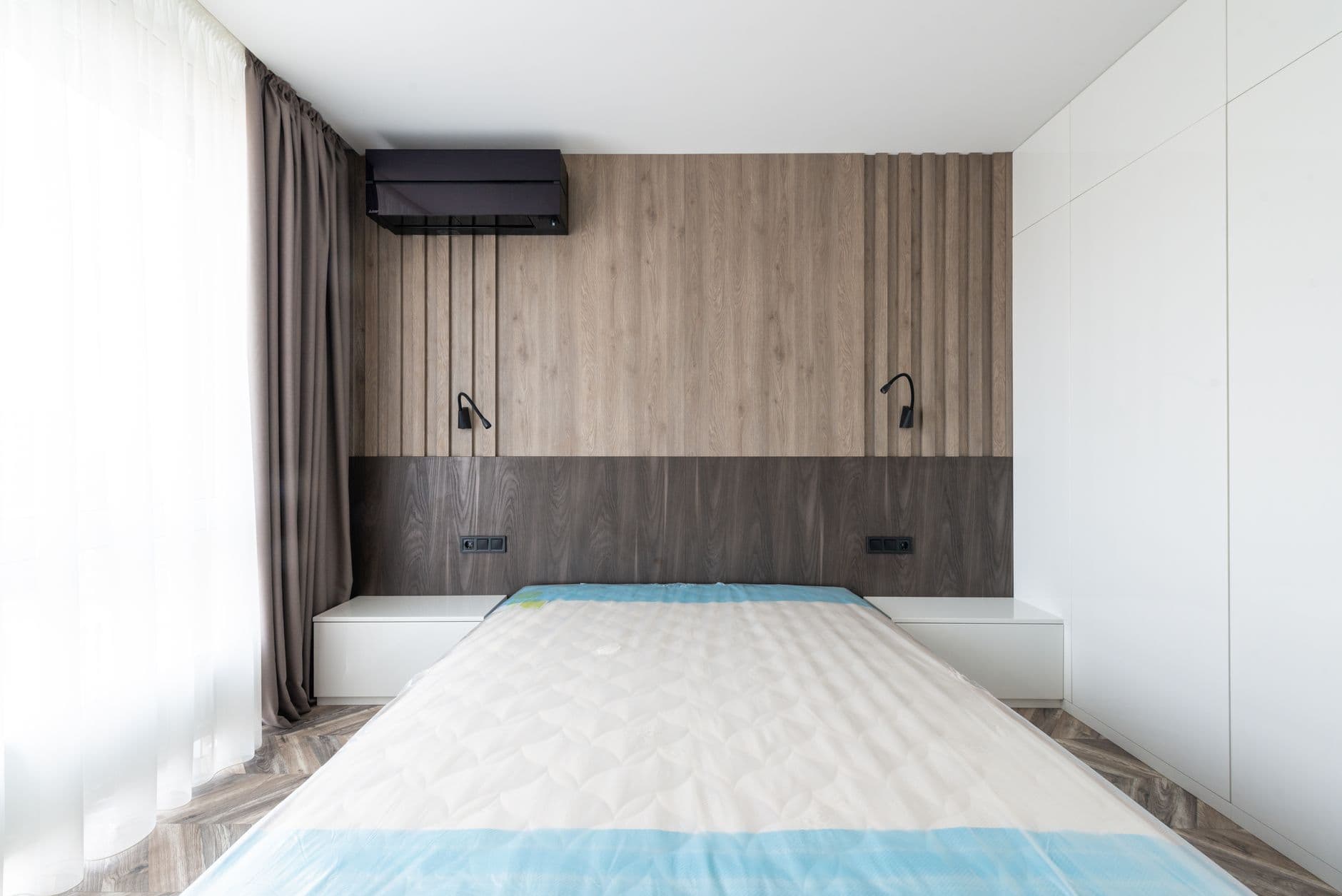
Fluted wood paneling behind a bed does a job that used to require an upholstered headboard, a piece of framed art or both. Run tongue and groove or reeded MDF panels floor to ceiling behind the pillows and the wall itself becomes the focal point, with no separate object needed to anchor the room. The same treatment works just as well lining a narrow hallway or wrapping a stairwell, anywhere a plain painted wall would otherwise read as empty. Because the grooves run vertically, they also make a room with a low ceiling feel taller, which is a rare case of a decorative choice solving an actual spatial problem rather than just dressing one up.